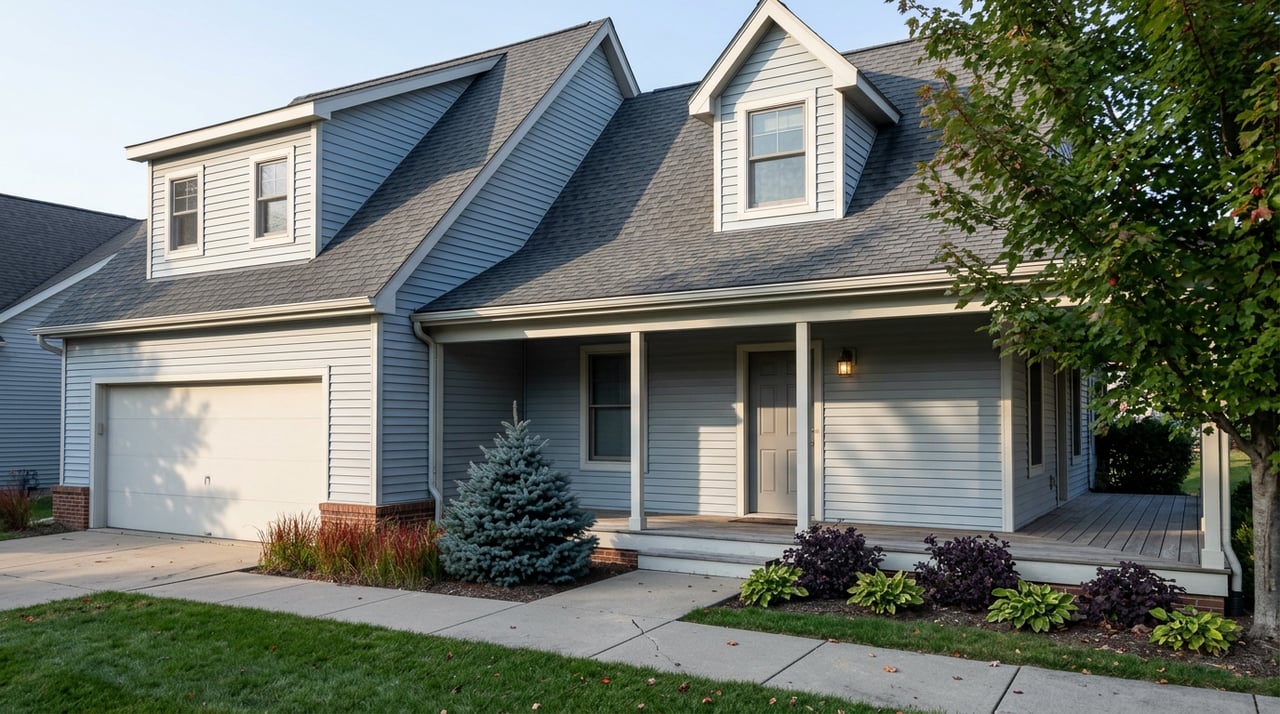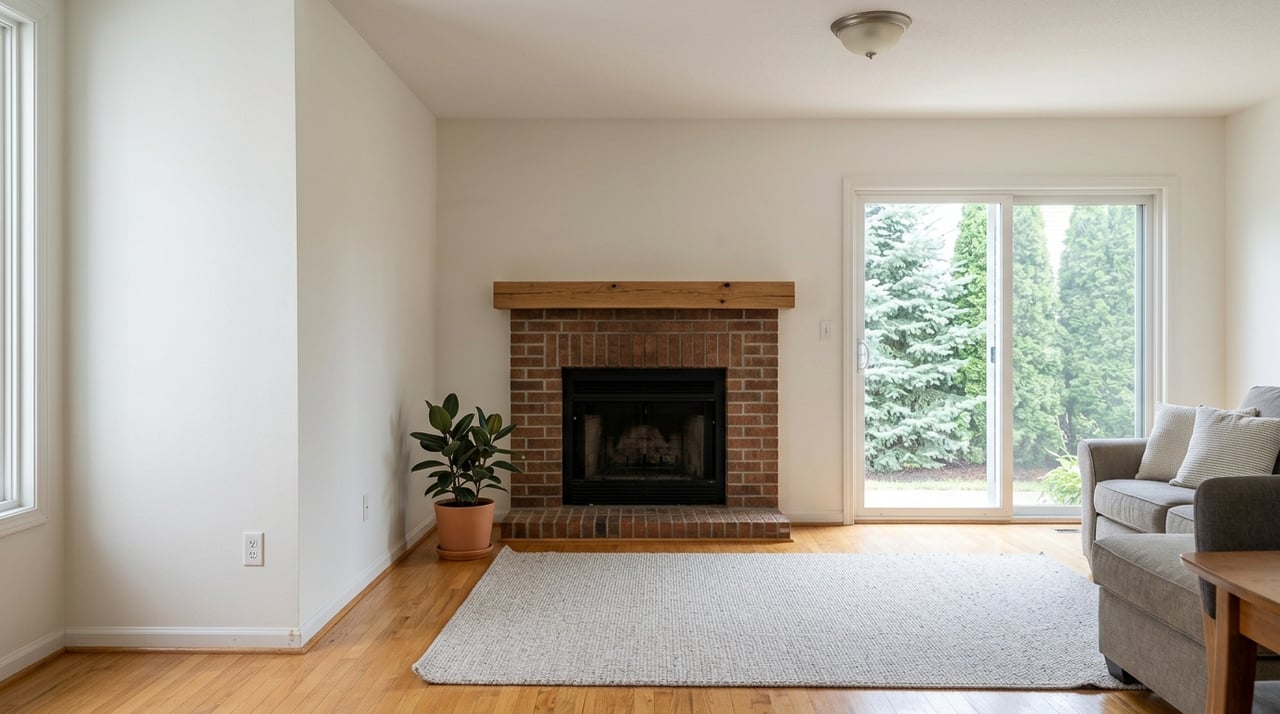
Thinking about buying in Bay Harbor while living hundreds or even thousands of miles away? You are not alone. Bay Harbor attracts buyers from across North America, and for good reason: it offers a four-season Lake Michigan setting with a mix of luxury homes, condos, building sites, and yacht docks. If you are planning a second home or a lifestyle move, a remote purchase can work smoothly when you know what to verify early. Let’s dive in.
Why Bay Harbor Appeals to Remote Buyers
Bay Harbor is designed in a way that naturally fits out-of-state and second-home buyers. Official community materials describe it as a four-season destination along five miles of Lake Michigan shoreline between Petoskey and Charlevoix. The available property types include homes, condos, building sites, and docks, which gives you several ways to match your purchase to how you plan to use the property.
That flexibility matters if you are buying for seasonal living, long weekends, future retirement, or a legacy property. Bay Harbor also reports that owners come from 25 North American states and three countries, which shows that long-distance buying is already part of the market here.
At the same time, a resort-style setting means you should look beyond the home itself. Bay Harbor notes that the village includes shops, dining, specialty services, a marina, golf, and seasonal events, but some businesses may be seasonal or individually owned. If year-round convenience matters to you, it is smart to confirm what services are available when you plan to be in town.
Start With Parcel and Property Records
Before you book travel or make plans around a specific listing, confirm the property details through Emmet County records. The county provides a public TaxParcel Viewer where you can search by parcel ID, address, or subdivision and condo name. You can also use GIS layers to review parcel lines, zoning, soils, utilities, and other location-based information.
For an out-of-state buyer, this first step can save time and reduce surprises. It helps you verify that the parcel matches the marketing, understand the tax district, and spot possible land-use questions before you get deep into negotiations.
You can also review recorded documents through the Emmet County Register of Deeds online services. That is useful when you want to examine deeds, mortgages, easements, or legal descriptions without being physically present in Michigan.
What to confirm early
- Exact parcel boundaries and parcel ID
- Subdivision or condo identification
- Zoning and visible GIS map layers
- Utility information shown in county tools
- Recorded documents that may affect use or access
Treat HOA and Condo Documents as Core Due Diligence
In Bay Harbor, association documents are not just paperwork to skim at the end. Official Bay Harbor real estate materials point to association regulations and rental-management considerations, which makes those documents central to your decision.
If you are buying a condo, planned second home, or property you may use only part of the year, you will want a clear picture of monthly dues, special assessments, rules, and any rental or occupancy limits. These costs are often separate from your mortgage, so they can change your true monthly carrying cost in a meaningful way.
This is especially important if your long-term plan includes occasional renting, hosting extended stays, or keeping the property vacant for part of the year. Knowing the rules before your offer becomes final gives you a better foundation for deciding whether the property fits your goals.
Ask for these documents upfront
- HOA or condominium bylaws and rules
- Current dues information
- Any pending or recent special assessments
- Rental or leasing restrictions
- Use restrictions that affect seasonal ownership
Review Flood Exposure and Insurance Needs
Because many Bay Harbor properties sit near the water, flood review belongs on your checklist early. Properties in a Special Flood Hazard Area shown on FEMA flood maps may have flood insurance requirements tied to financing.
Even if a home is not in an area that triggers a lender requirement, insurance deserves close review when you are buying from out of state. Michigan DIFS recommends reviewing homeowners coverage and keeping a home inventory, which is especially practical for a second home that may sit vacant when you are away.
A remote buyer should understand both the ownership costs and the risk management side of the purchase. Insurance details may affect your budget, your lender timeline, and your comfort level with the property.
Know Bay Harbor's Drone Restrictions
If you are relying on virtual tours, aerial footage, or custom video to evaluate a property from afar, there is one Bay Harbor-specific detail worth knowing. Bay Harbor states that public drone use over resort property is prohibited, and authorized aerial work requires approved operators and written permission.
That does not prevent remote buying, but it can shape how property marketing and documentation are handled. If aerial imagery matters to you, make sure expectations are clear early so you know what can realistically be provided.
How an Out-of-State Closing Can Work in Michigan
A Michigan closing does not always require you to be physically present. The Michigan Secretary of State allows remote notarization using audio and visual technology through state-approved vendor platforms. That can make a remote or mail-away closing much easier when your lender, title company, and notary process are coordinated in advance.
Timing still matters. Buyers generally receive the Closing Disclosure at least three business days before closing, and this is your chance to review costs and compare them against prior estimates. Closing costs commonly run about 2% to 5% of the purchase price, so it pays to study the numbers carefully.
Title and closing services may also be shop-able, which means you should not assume every fee is fixed. A well-organized remote transaction usually comes down to early coordination and careful document review, not last-minute scrambling.
Remote closing checklist
- Confirm whether remote notarization will be used
- Coordinate early with your lender and title company
- Review the Closing Disclosure as soon as it arrives
- Request key documents in advance, including the note, mortgage, and deed
- Verify signing and funding timelines before closing week
Protect Yourself From Wire Fraud
Long-distance purchases can create more opportunities for fraud because so much communication happens by email and phone. Consumer guidance warns that scammers may impersonate a real estate or settlement professional and try to redirect earnest money or closing funds.
The safest habit is simple: verify wiring instructions by phone using a known number you already trust. Do not rely on a last-minute email, and do not confirm instructions by replying inside an email thread.
If you are sending large funds from another state, this step is not optional. A quick call can prevent a very expensive mistake.
Plan for Post-Closing Steps in Michigan
Closing is not the final step. In Michigan, the Property Transfer Affidavit must be filed with the local assessor for the city or township where the property is located within 45 days of transfer, even if the deed has not yet been recorded.
There is also an important tax planning point for second-home buyers. Michigan's Principal Residence Exemption applies only to an owner's principal residence and exempts that property from certain local school operating millage, up to 18 mills. If your Bay Harbor property will be a second home, you should budget based on non-homestead treatment unless it will truly become your principal residence.
The state also says the seller or grantor is liable for the real estate transfer tax under the statute. Even so, you should review your closing statement closely so you understand how all charges are allocated in your transaction.
Set Up Utilities and Local Support Early
If your new property is served by Consumers Energy, the utility offers an online move-in tool for starting, stopping, or transferring service, including purchases of a second home within 30 days. Even if another provider serves the property, the lesson is the same: identify utility providers early and align service dates with closing.
You should also confirm any identity verification steps, deposits, or seasonal service considerations before you arrive. That is especially helpful if your first visit after closing will be short or tied to a holiday weekend.
For many out-of-state owners, the smartest post-closing routine includes a local contact list. That may include property management, maintenance vendors, and winter check contacts, depending on how often you plan to use the home.
A smart first-week ownership list
- Confirm homeowners and flood coverage if applicable
- Set up electricity and other utilities
- Save your closing documents in one secure place
- File the Property Transfer Affidavit on time
- Build a local list for maintenance and seasonal checks
A Practical Bay Harbor Buying Workflow
When you are buying from out of state, the process goes more smoothly if you treat it like a sequence instead of a scramble. Start with the parcel and records review, then move into association documents, insurance questions, and closing coordination.
That approach gives you better control over timing, costs, and risk. It also helps you avoid flying in too early, making assumptions about seasonal services, or discovering restrictions after you are emotionally committed to a property.
In a market like Bay Harbor, details matter. A clear plan lets you enjoy the lifestyle side of the purchase without losing sight of the practical steps that protect you.
If you are considering a Bay Harbor purchase from out of state, a local, data-driven guide can make the process much easier. Davis Labelle helps buyers navigate Northern Michigan lake markets with personal attention, strong local knowledge, and practical support for remote transactions. When you are ready to talk through your goals, property options, or next steps, Davis Labelle is a great place to start.
FAQs
How can you verify a Bay Harbor property while living out of state?
- You can start with Emmet County's TaxParcel Viewer and GIS tools to confirm parcel details, zoning, and map layers, then review deeds and related records through the Emmet County Register of Deeds online services.
What HOA documents should you review before buying in Bay Harbor?
- You should request bylaws, rules, dues information, assessment details, and any rental or leasing restrictions early, since Bay Harbor materials note association regulations and rental-management considerations.
Can you close on a Bay Harbor home remotely in Michigan?
- Yes. Michigan allows remote notarization through state-approved platforms, which can make a remote or mail-away closing possible when the lender, title company, and notary process are coordinated early.
What tax issue should second-home buyers understand in Bay Harbor?
- If the property will be a second home, you generally should not assume eligibility for Michigan's Principal Residence Exemption, which applies only to a true principal residence and must be claimed with the local assessor.
What should you do right after closing on a Bay Harbor property?
- A strong first step is to file the Property Transfer Affidavit within 45 days, confirm insurance, set up utilities, organize closing documents, and create a local contact list for maintenance and seasonal property checks.