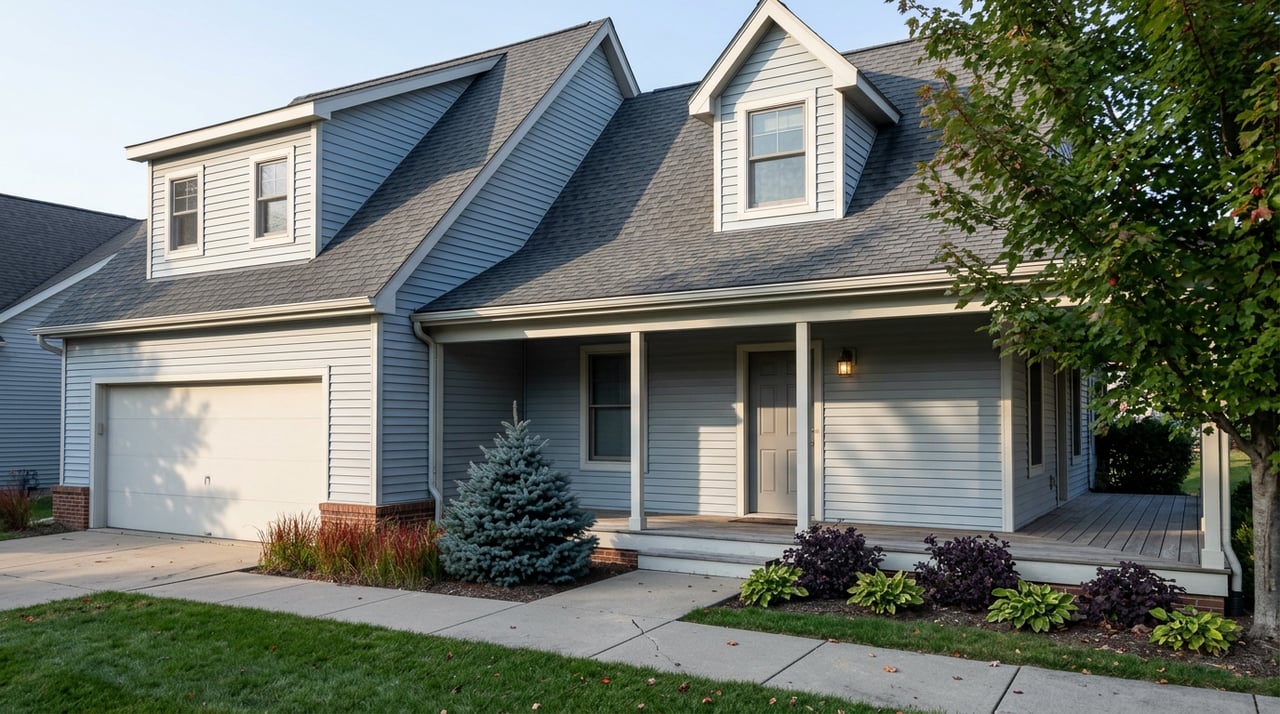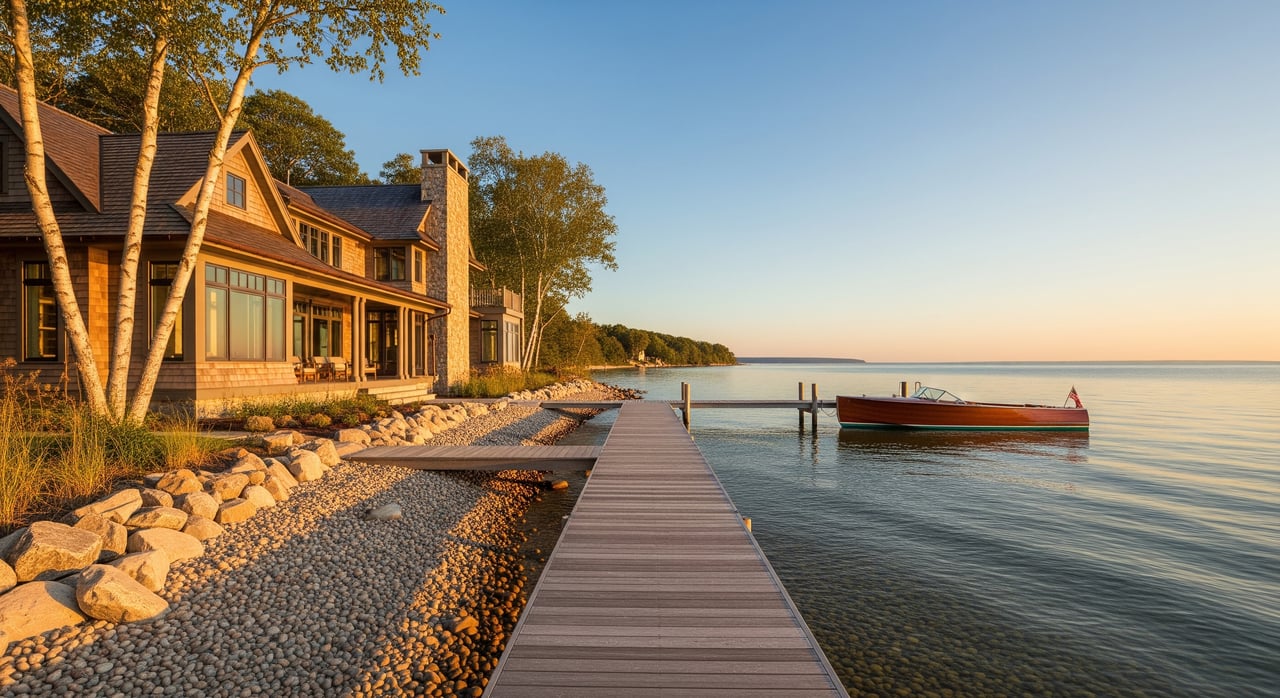
Morning coffee on glass-calm water or the thrill of big-water boating past a wide horizon. In Petoskey, both dreams are real, but the best lakefront for you depends on how you plan to live, play, and maintain your shore. You want beauty and access without surprises or hidden costs.
In this guide, you will compare Little Traverse Bay on Lake Michigan to nearby inland lakes, understand key rules and permits, learn what to inspect along the shoreline, and follow a buyer checklist you can use on showings. Let’s dive in.
Bay vs. inland lakes: key differences
Little Traverse Bay at a glance
Little Traverse Bay is part of Lake Michigan, so it sees larger waves, wind, and seasonal water-level swings. That exposure creates amazing open-water access and long views, but it also demands tougher shoreline structures and careful attention to erosion.
Shoreline projects on the Great Lakes often trigger state review because they may occupy public trust bottomlands below the Ordinary High Water Mark. Docks and seawalls here should be designed for wave and ice loads and may require permits or leases. If you dream of boating straight to open water, the bay delivers. Just plan for more rigorous design and maintenance.
Inland lakes near Petoskey
Inland lakes around Petoskey, including well-known options like Walloon Lake, tend to have smaller fetch and calmer water. That can mean easier swimming days, simpler dock solutions, and gentler shoreline conditions. Inland lakes still fall under state and local rules, but permitting pathways are different from the Great Lakes.
You may also see stronger lake-association or HOA governance on inland lakes that guides docks, vegetation, and community norms. If you want quieter water and predictable day-to-day use, inland lakes fit well.
How to pick based on your priorities
Start with your lifestyle. If you value open-water boating and big views, focus on Little Traverse Bay. If you want calm swimming, paddle sessions, and potentially lower dock stress, look inland. Then weigh maintenance and permitting. Great Lakes shorelines demand more durable designs and closer watch on erosion. Inland shorelines can still erode, but wave energy is usually lower.
Finally, decide how you feel about community rules. Lake associations can preserve order and water quality. They may also limit certain structures or rentals. Match the setting to your comfort level.
Know the rules before you fall in love
Ordinary High Water Mark basics
In Michigan, private ownership typically extends to the Ordinary High Water Mark. The public has use rights waterward of that mark on the Great Lakes. This line matters for setbacks, dock placement, and what you can modify. Ask to see a survey that references the OHWM if available.
Great Lakes vs. inland permits
On Little Traverse Bay, structures that occupy Great Lakes bottomlands, as well as seawalls and major shoreline work, often require state approval and sometimes federal review. On inland lakes, state permits may still apply for docks, dredging, or stabilization, and local zoning will guide setbacks and accessory structures.
Local checks and who to call
Before you write an offer, confirm permit status with the City of Petoskey or Emmet County and the relevant township. Contact state agencies for shoreline and submerged-lands guidance. If federal triggers apply, the U.S. Army Corps of Engineers may be involved. Ask the seller for records of past permits, approvals, and any engineered shoreline work.
What to inspect on the shoreline
Shoreline type and stability
Identify whether the shore is sandy, cobble, bedrock, armored with riprap, or a vegetated bluff. Look for signs of active erosion such as undercutting, slumping soil, leaning trees, and exposed roots. Ask about any history of repairs, and review photos or historic imagery when possible. Your shoreline type will drive swim experience, maintenance needs, and future stabilization options.
Bluffs and drainage
If the home sits on a bluff, note the height, slope, and drainage patterns. Concentrated runoff from roofs or driveways can push a bluff toward failure. Verify whether downspouts point toward the lake and whether vegetative buffers exist. If you see cracking or slumping, budget for a geotechnical assessment.
Docks and boathouses
Inspect dock structure, decking, anchoring, and pilings. On the bay, ice and wave action can damage undersized systems. Confirm that any dock or boathouse is legal for the lake type and location. Unpermitted structures may need removal or costly fixes.
Water depth and usability
Ask about depth at the dock across seasons and whether it supports your boat’s draft. Some nearshore areas are shallow, which affects docking and may prompt dredging requests. Dredging is often heavily regulated, so understand feasibility before you plan for it.
Water quality and ecology
Ask about seasonal clarity, algae, and known invasive species such as Eurasian watermilfoil or zebra and quagga mussels. Local watershed groups and lake associations often track conditions over time. Water quality impacts swimming enjoyment and long-term shoreline health.
Ice and seasonal maintenance
Ice heave, freeze-thaw cycles, and shifting ice can affect docks, seawalls, and boathouses. On Little Traverse Bay, winter loads can be significant. Plan for seasonal removal or protective systems where needed, and include those recurring costs in your budget.
Utilities, access and services
Confirm septic or sewer, well or municipal water, and electrical capacity for amenities like hot tubs or EV charging. Check road access and winter maintenance. For more remote parcels, snowplow service and utility reliability can shape year-round use.
Ownership, taxes, insurance and risk
Rights and easements
Shorefront owners have use rights to adjacent water, subject to state law and the public trust on the Great Lakes. Over time, accretion and erosion can alter the shoreline. Review title for recorded easements, shared beach or dock agreements, and lake-association covenants. Understand who maintains what and how costs are shared.
Property taxes and valuation
Waterfront property carries a premium. Local assessment methods and millage rates determine your tax bill. When comparing listings, use sales data that reflects the specific shoreline type and lake category rather than non-waterfront comparables. That nuance protects you from overpaying.
Insurance and flood zones
Waterfront can mean higher insurance costs. Ask an agent familiar with lakefront policies about coverage for wind, storm, docks, and watercraft liability. Use FEMA flood maps and any existing elevation certificate to determine whether flood insurance is required. Ask for a claims history on prior storm or flood events.
Long-term levels and climate
Great Lakes water levels fluctuate over seasons and across years. Recent peaks and variability have influenced erosion and dock design. Expect that storm intensity and freeze-thaw patterns can change maintenance needs over a 10 to 20-year horizon. Buy with a long view.
Your Petoskey lakefront buyer checklist
Use this list during showings or as offer contingencies.
- Type of shoreline noted: sand, rock, bedrock, bluff, riprap
- Signs of active erosion documented with photos
- Bluff stability reviewed or specialist scheduled if needed
- Dock condition checked and appropriate for wave and ice
- Dock, seawall, boathouse permit records obtained
- Survey shows lot lines and OHWM reference if applicable
- Title report reviewed for easements and lake rules
- HOA or lake-association covenants received
- Water depth at dock confirmed across seasons
- Water quality history requested from local groups
- Septic inspection and well test ordered if private systems
- Municipal water/sewer status confirmed if applicable
- Flood zone checked and any elevation certificate collected
- Insurance quotes obtained for home, flood, and dock coverage
- Local zoning and short-term rental rules confirmed
- Wetland review ordered if shoreline fringe suggests it
- Year-round road access and snow removal verified
- Power capacity checked for planned amenities
- Seasonal maintenance and dock removal costs estimated
- Contractor and engineer consultations scheduled as indicated
How to compare two great options
If you are torn between Little Traverse Bay and an inland lake, line up two or three properties and score each on the factors above. Use the same criteria: exposure and views, swimming and dock usability, permit feasibility, annual maintenance, insurance, and community rules. A side-by-side view will reveal which setting fits your lifestyle and budget with fewer tradeoffs.
Work with a local advisor
A smart waterfront purchase pairs lifestyle goals with careful due diligence. An advisor who understands Petoskey’s lakes can coordinate the right inspections, confirm permits across agencies, and pull the market data that supports a confident offer. That is where a data-informed, locally rooted approach pays off.
As a boutique agent supported by Pat O’Brien & Associates, I combine market research, valuation tools, and on-the-water experience to help you compare Little Traverse Bay with inland options and move from interest to close with clarity. If you want a personalized shortlist, off-market alerts, or a second set of eyes on shoreline risk, reach out. Schedule a free consultation with Davis Labelle.
FAQs
What is the Ordinary High Water Mark on Lake Michigan?
- It is a legally recognized line that helps define private property limits and public trust bottomlands. It guides setbacks, dock placement, and what work may require permits.
Do I need permits for a dock in Little Traverse Bay?
- Docks that occupy Great Lakes bottomlands often need state approval and may require additional reviews. Confirm existing permits and design suitability before you buy.
Are inland lake docks easier to maintain than bay docks?
- Often yes, because inland lakes usually have calmer water and less ice impact. You still need proper design and seasonal care for local conditions.
How do I check flood insurance needs for a lakefront home?
- Review FEMA flood maps for the parcel and ask for any elevation certificate. An insurance agent experienced with waterfront can estimate premiums and coverage options.
What inspections should I order for a bluff-top home?
- In addition to a general home inspection, bring in a geotechnical or coastal engineer to assess slope stability, drainage, and any history of bluff movement.
Can lake associations limit what I do on my shoreline?
- Yes. HOAs and lake associations may have rules for docks, vegetation changes, structures, and rentals. Review covenants and shared-dock agreements early in due diligence.