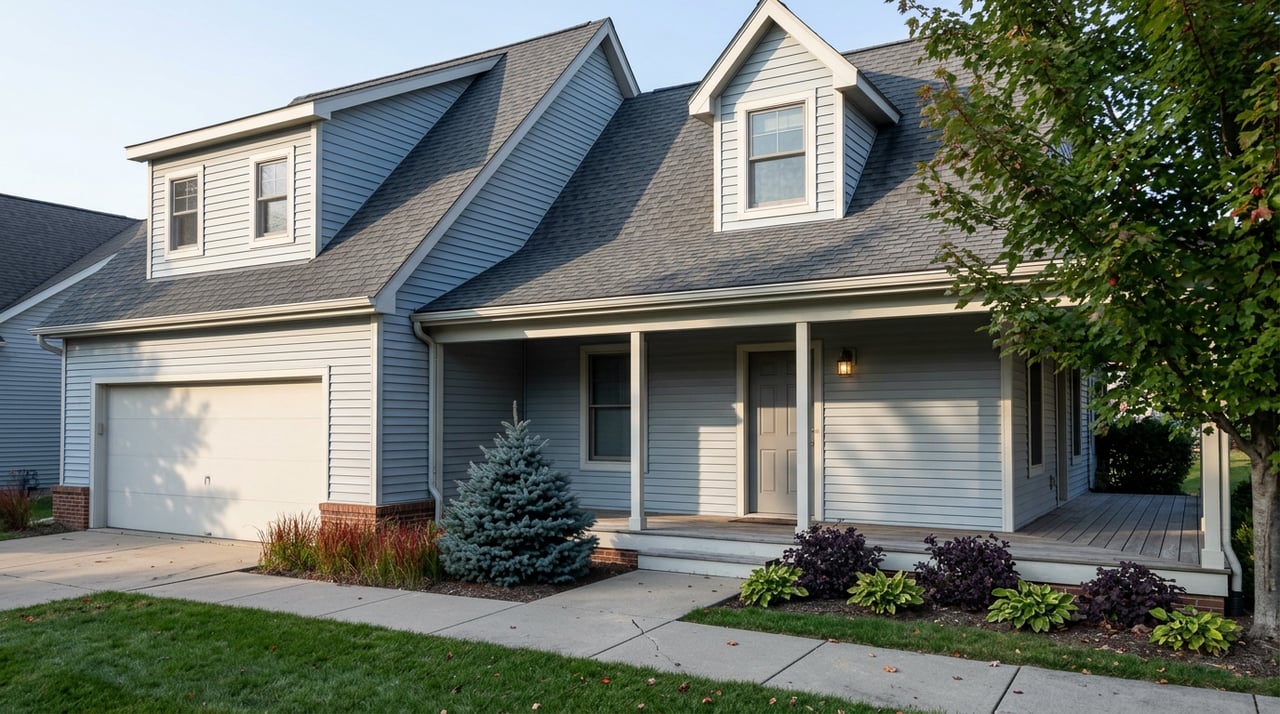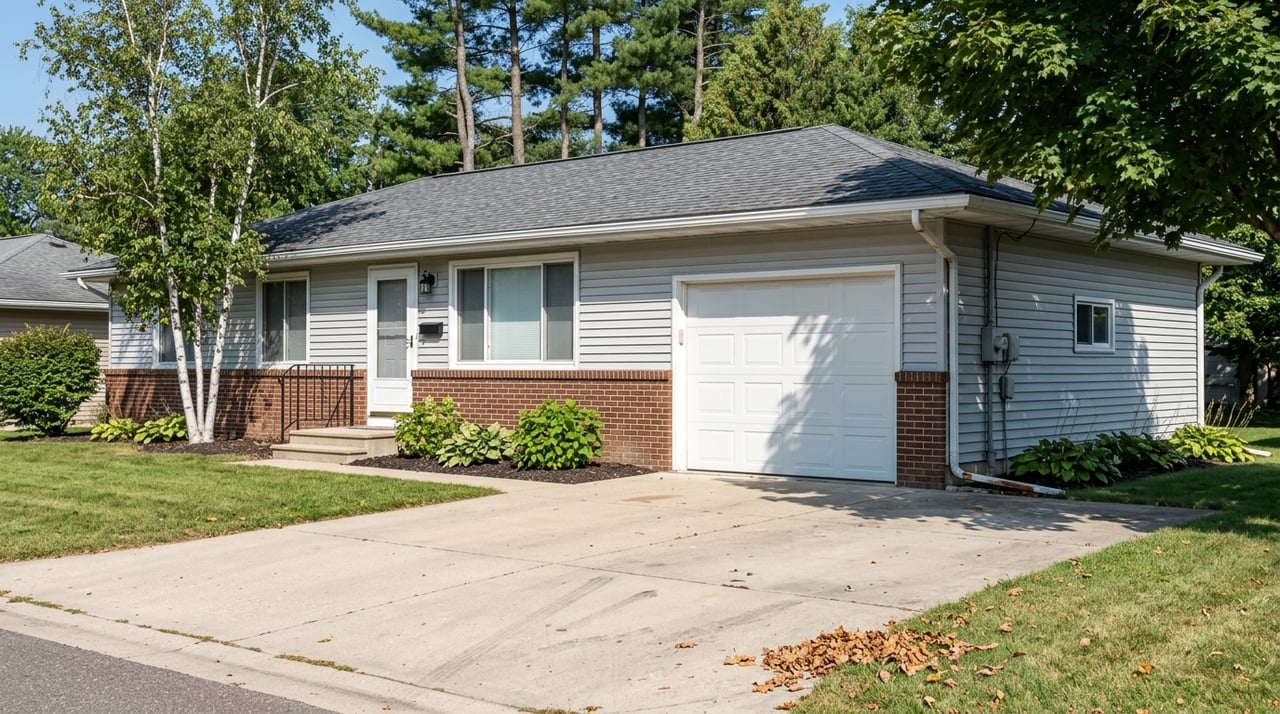
Wondering how a home in Petoskey gets priced when one property sits near Little Traverse Bay, another is tucked inland, and both look similar on paper? That is exactly why pricing here takes more than a quick online estimate. If you are thinking about selling, understanding how agents build a price can help you set better expectations, avoid common mistakes, and position your home more effectively from day one. Let’s dive in.
Why pricing in Petoskey is different
Petoskey is not a one-price-fits-all market. The area includes resort communities along Little Traverse Bay and inland lakes, so location can affect value in a big way. Water access, views, and the surrounding setting often influence how buyers compare homes.
That local variation shows up in public market data too. As of spring 2026, Zillow reported 109 homes for sale in Petoskey, while Realtor.com reported 183. Those same sources also showed very different price figures, which is a good reminder that agents cannot rely on a single portal snapshot when recommending a list price.
Realtor.com also described Petoskey as a buyer’s market in March 2026, meaning supply was greater than demand. For sellers, that makes pricing discipline even more important. A strong number needs to be supported by current market evidence, not just optimism.
What agents look at first
Recent sold comps
The starting point is usually comparable sales, often called comps. These are homes that recently sold in the same area and are similar in size, location, condition, and features. Sold comps help show what buyers were actually willing to pay, not just what sellers hoped to get.
In Petoskey, that comparison has to stay very local. A home with similar square footage may still fall into a different value range if it has different water proximity, views, lot shape, or neighborhood context. That is why pricing usually starts with a range, not a single magic number.
Active and pending listings
Agents do not stop at closed sales. They also review current listings and homes under contract to understand the competition and where buyer demand may be moving right now. This helps answer an important question: how will your home stack up against what buyers can choose today?
Active listings show the alternatives a buyer will see. Pending homes can offer clues about where the market is accepting prices, even before those sales officially close. Together, these data points help shape a more realistic launch strategy.
Property condition and features
Condition matters because buyers notice updates, maintenance, and overall presentation. Two homes with the same bedroom count can perform very differently if one is move-in ready and the other needs repairs or cosmetic work. Agents weigh those differences when adjusting a recommended range.
Amenities matter too. Features like outdoor living space, garage setup, lot usability, and view corridors can influence how buyers perceive value. In lifestyle-driven markets like Petoskey, these details often affect pricing more than sellers expect.
Petoskey factors that can change value
Waterfront and water access
In the Petoskey area, being near water is not the same as being on the water. A home with direct frontage, meaningful views, or easy access to Little Traverse Bay or nearby lakes may compete in a very different segment than an inland property. That distinction can create major pricing gaps even when homes are otherwise similar.
This is one reason local expertise matters. Buyers in Northern Michigan often place real value on access, scenery, and recreation. In higher-end enclaves such as Bay Harbor, those lifestyle factors can support much higher pricing than broader market averages suggest.
Lot characteristics and zoning
Agents also look beyond the house itself and into the parcel details. Emmet County’s TaxParcel Viewer includes parcel lines, roads, addresses, water features, boundaries, and zoning, which helps agents compare site access, lot configuration, and location context. Those details can shape both current use and future flexibility.
Zoning can matter even more for waterfront and near-water properties. Emmet County regulations include limits on height, lot coverage, setbacks, and minimum lot dimensions. The county also states that residences on Lake Michigan must be set back 60 feet from the 1986 high-water mark, which can affect buildability and usable outdoor space.
That means two properties with similar house size may not offer the same site potential. If one lot allows more usable area or a more favorable placement than another, pricing may reflect that difference.
Neighborhood setting
Petoskey includes a range of settings, from town-oriented residential areas to resort-influenced locations near the bay. Agents factor in how a property’s setting fits buyer expectations for that pocket of the market. A price that works in one area may miss the mark in another.
This is also why broad citywide averages can be misleading. They may be useful for context, but they do not replace neighborhood-level analysis. Good pricing depends on where your home sits within the local mix.
Pricing is strategy, not just math
A listing price is not pulled from a formula alone. Agents also consider timing, seller goals, needed repairs, upgrades, and possible concessions. If your priority is speed, the strategy may call for a more competitive number than if you have more time to test the market.
This is where two agents can review similar data and still suggest slightly different prices. They may weigh the comps differently or have different views on buyer response in the current moment. That does not mean one is guessing. It means pricing is part analysis and part market judgment.
The goal is not to name the highest possible number. The goal is to choose a defensible number that gives your home the best chance to attract the right level of interest in the market you are actually in.
What pricing is not
Taxable value is not asking price
Many homeowners look at their tax records first, but that number does not set market value. According to the Michigan Department of Treasury, a property’s true cash value is usually not the same as its sale price. The state also says an individual sale price is not presumptive true cash value.
That is important because taxable value and assessed value serve a different purpose than a listing price. They can be useful records, but they should not be treated as a shortcut for what a buyer will pay in today’s market.
Appraisal is not the same as list price
An appraisal is also a separate concept. It is an opinion of market value and may differ from price or cost. In a real sale, the list price is a market-facing strategy, while an appraisal is part of a separate valuation process.
If you are selling, the more useful framework is this: list price should come from recent sold comps, current competition, and property-specific adjustments. It should not come from tax values alone, and it should not be copied from an online estimate without local review.
How a local agent narrows the range
A strong pricing process usually looks something like this:
- Review recent sold comps in the immediate area
- Compare active listings that buyers will shop against yours
- Study pending sales for clues about current demand
- Adjust for condition, updates, and amenities
- Evaluate lot shape, access, zoning, and water-related factors
- Match the strategy to your timing and selling goals
In Petoskey, that process matters because market segments can behave differently. A home near the bay, a modest inland property, and a Bay Harbor listing may all require very different pricing logic, even within the same broad market.
For that reason, the best pricing conversations are detailed and property-specific. They are grounded in evidence, shaped by local context, and flexible enough to respond if the market gives new feedback after launch.
If you are preparing to sell in Petoskey or anywhere in Northern Michigan’s lake communities, Davis brings a data-driven approach to pricing backed by local market perspective and practical listing strategy. To talk through your home, your timing, and a pricing plan built around the market in front of you, schedule a free consultation with Davis Labelle.
FAQs
How do Petoskey agents determine a home’s listing price?
- Agents usually review recent sold comps, active listings, pending sales, property condition, features, lot details, and current market conditions before recommending a price range.
Why can two similar homes in Petoskey have different values?
- In Petoskey, differences in water access, views, lot configuration, zoning, site usability, and neighborhood setting can change value even when homes have similar square footage.
Are online home estimates accurate for Petoskey pricing?
- Online estimates can offer general context, but public sources often show different inventory and pricing snapshots, so they should not replace a local, property-level pricing analysis.
Does Emmet County zoning affect home pricing in Petoskey?
- Yes. Zoning rules on setbacks, lot dimensions, height, lot coverage, and waterfront placement can affect buildability and usable space, which may influence value.
Is taxable value the same as market value in Petoskey?
- No. Michigan says a property’s true cash value is usually not the same as its sale price, and tax-related values should not be treated as the same thing as a listing price.
Why does pricing strategy matter in a Petoskey buyer’s market?
- When supply is greater than demand, buyers often have more choices, so a well-supported and competitive price can help your home attract stronger attention early.