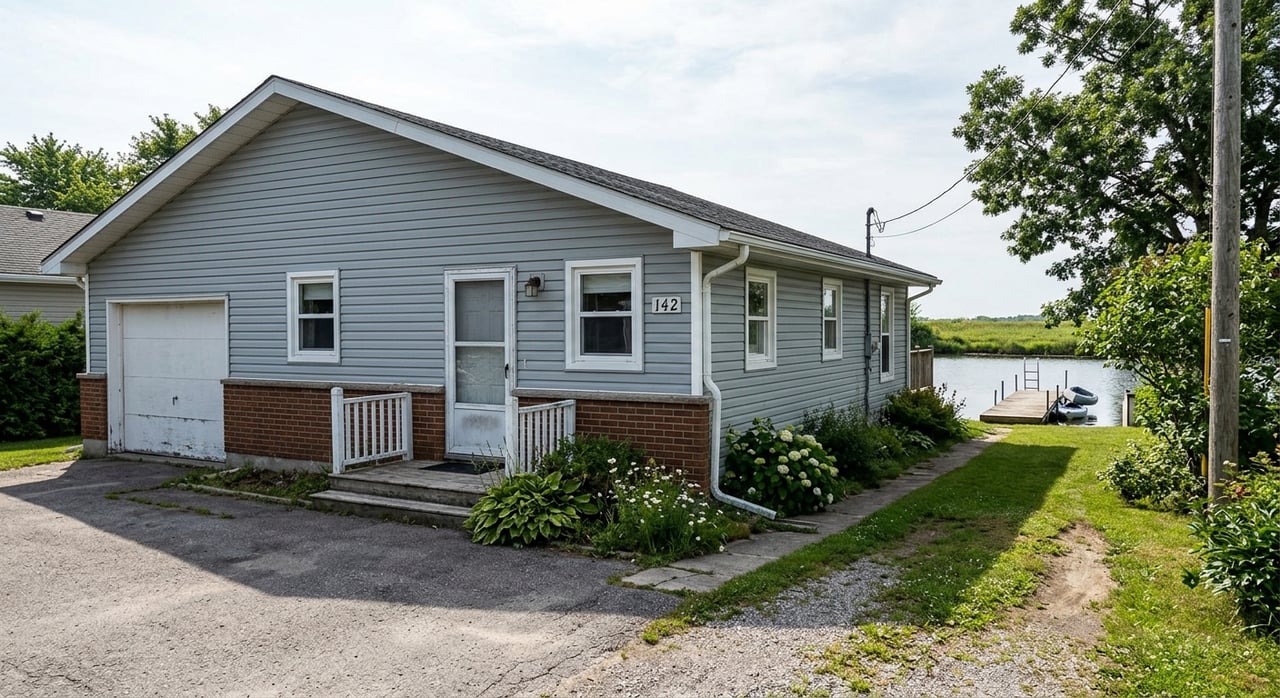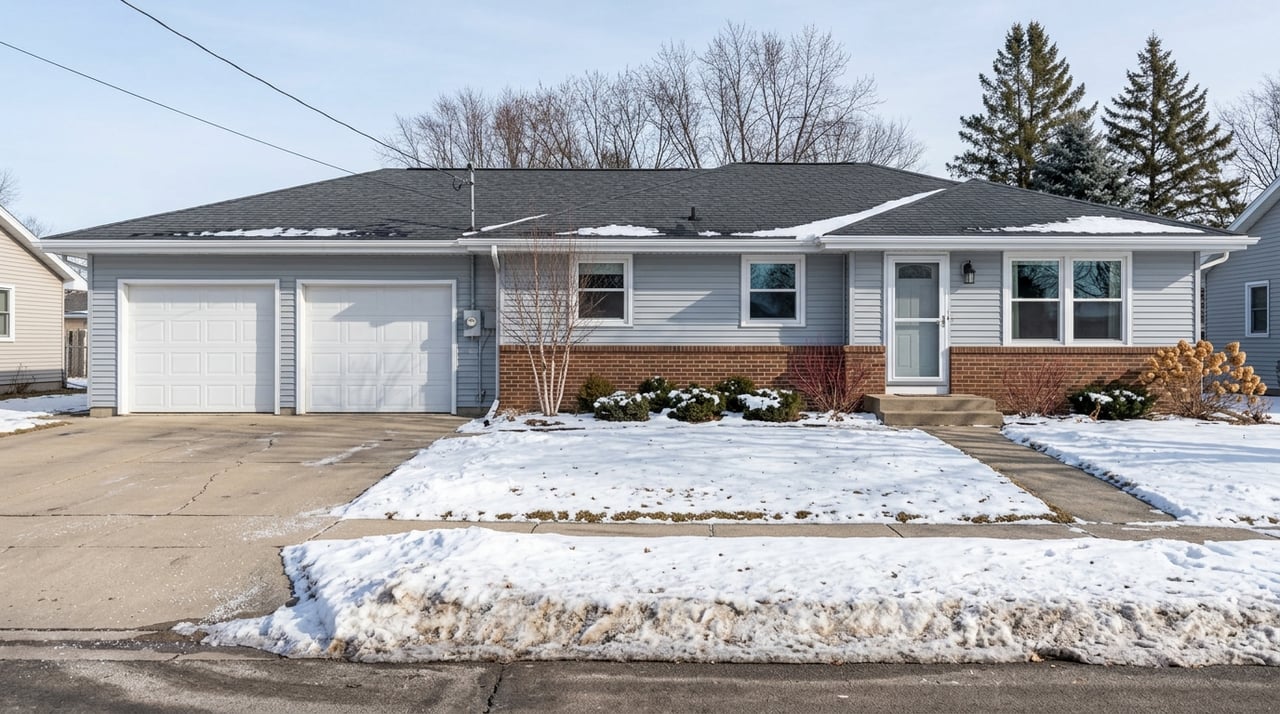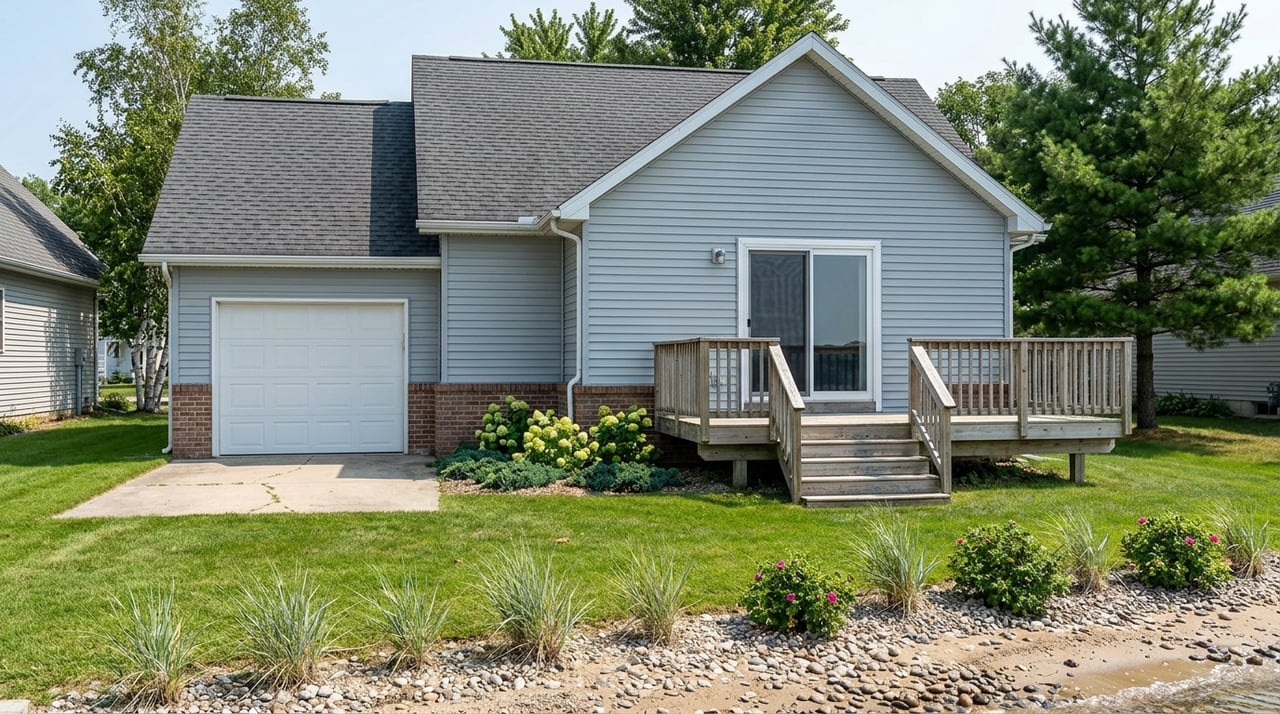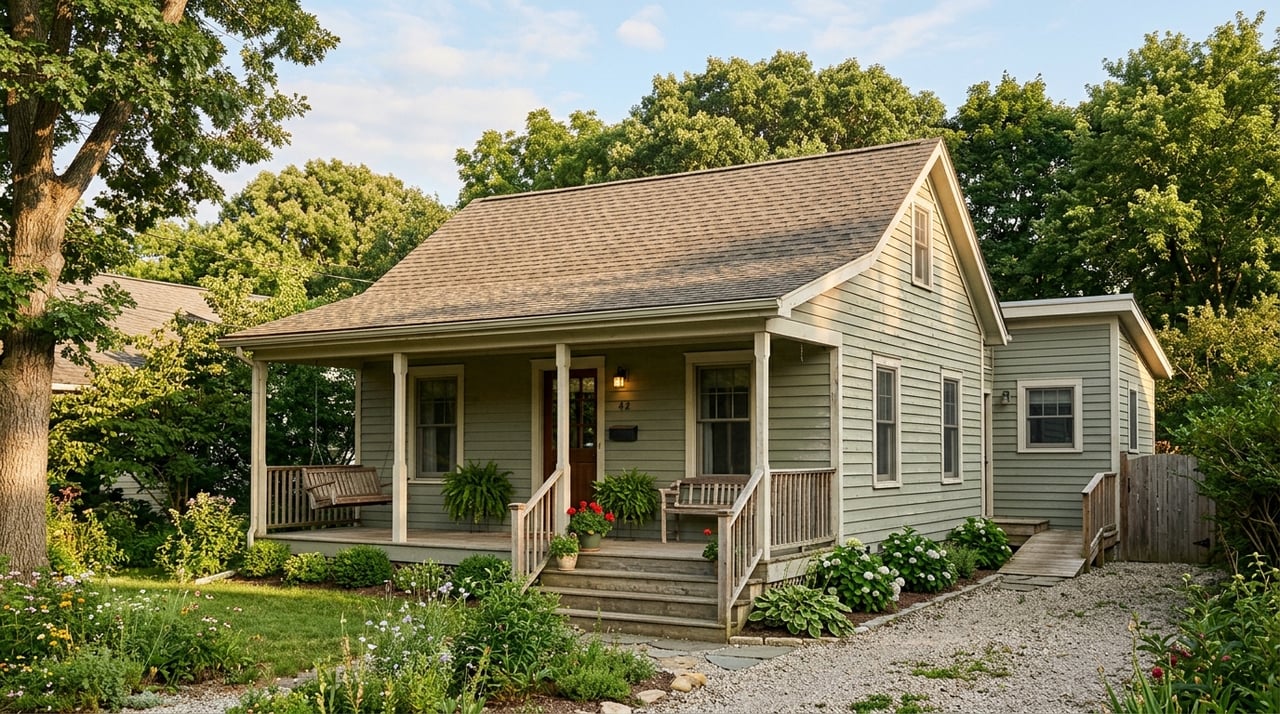
Choosing between a brand-new home and a historic property in Petoskey is not just about style. It is about how you want to live, what kind of upkeep you can handle, and how much flexibility you want when it comes to changes over time. If you are weighing both options, this guide will help you compare the tradeoffs in a practical way so you can move forward with more confidence. Let’s dive in.
Petoskey offers two very different paths
Petoskey gives you a mix that many small markets do not. On one side, you have newer homes and build opportunities shaped by current codes, utility requirements, and permit timelines. On the other, you have a strong historic housing stock tied to the city’s architectural identity and long-term appeal.
That contrast matters because Petoskey is also a relatively small market. Recent pricing snapshots show an average home value of $480,618 and a median sale price of $460,000 in Petoskey in May 2026, while Emmet County posted a median sale price of $419,000 over the three months ending in May 2026. Petoskey listings also showed a median market time of 68 days, which is useful context, but in a market this small, individual sales can move the numbers more than they would in a larger city.
Why buyers lean toward new construction
New construction usually appeals to buyers who want a more predictable starting point. In Michigan, current residential builds follow the 2021 Michigan Energy Residential Code, effective August 29, 2025. That means the home is built around modern standards for the building envelope, HVAC, controls, hot water, lighting, and power.
For you, that often translates into a more consistent baseline for comfort and efficiency than you may find in an older home. It does not mean every new home is the same, but it does mean you are generally starting with systems and performance expectations shaped by current code rather than legacy construction.
New construction can simplify near-term planning
A newer home often means fewer immediate unknowns. If you want to move in and focus on daily life rather than major updates, that can be a big advantage. Many buyers are drawn to the idea of lower near-term maintenance and fewer surprise projects in the first years of ownership.
That said, buying or building new in Petoskey still requires careful due diligence. The city’s construction checklist makes clear that projects affecting city utilities or public rights-of-way require city review, and buyers should budget for building, soil erosion control, electrical, mechanical, demolition, and related permits before construction starts.
Build costs are not just about the house
If you are looking at a vacant lot or a custom build, it helps to think beyond the floor plan. Utility access, street work, and permit timing can affect both budget and schedule. Those items should be treated as real cost factors from the beginning, not as cleanup details to solve later.
This is especially important in a market like Petoskey, where available lots may come with site-specific conditions. A parcel that looks straightforward on paper may still need more review if city infrastructure or public right-of-way issues are involved.
A possible tax advantage may apply
Some new or rehabilitated residential property may benefit from Neighborhood Enterprise Zone treatment. Petoskey City Council established a Neighborhood Enterprise Zone on December 16, 2024, and Michigan Treasury explains that applications are filed locally and then reviewed by the State Tax Commission.
If a parcel is inside the eligible zone and a certificate is approved, that may change the property’s after-tax carrying cost in a meaningful way. If you are considering new construction, this is one of the first local details worth checking.
Why buyers love historic homes in Petoskey
Historic homes in Petoskey offer something that is hard to reproduce. They are part of the city’s visual identity and sense of place, not just older structures on older lots. For many buyers, that character is the whole point.
City planning materials describe two historic districts created in 1986: the Downtown Petoskey Historic District and the East Mitchell Street Historic District. The downtown district includes late-19th- and early-20th-century commercial buildings, mostly brick and one to three stories, while East Mitchell is a 23-block residential district with 87 contributing structures. The city also identifies 35 individually listed properties outside those districts.
Historic character can support long-term appeal
A historic home can offer details, setting, and architectural variety that feel distinct from newer inventory. In Petoskey, that sense of scarcity can be a real draw, especially for buyers who value walkability, preservation, and homes with a strong connection to local history.
At the same time, that appeal can narrow the buyer pool. Some future buyers may love the character and setting, while others may prefer a more updated, lower-maintenance option. That does not make one better than the other, but it does affect resale strategy.
Historic status does not always mean the same thing
One of the biggest points of confusion is the difference between National Register status and local historic district regulation. National Register listing by itself does not place federal restrictions on a private owner. But under Michigan’s Local Historic Districts Act, work affecting the exterior appearance of a resource in a designated local historic district requires a permit.
In practical terms, a home can be historically significant without being tightly regulated. If the property is inside a local historic district in Petoskey, exterior changes may go through a review process. If it is not, the rules may be very different.
Some work may be exempt, but exterior changes matter
Petoskey’s historic preservation ordinance says ordinary maintenance is not treated as regulated work. But exterior alterations in a historic district do require permit review, and the commission follows the Secretary of the Interior’s rehabilitation standards.
That means your plans matter. Repainting or repairing may be simple in some cases, while changes to exterior features may require additional review and a longer timeline.
Older homes can carry more renovation risk
Historic or older homes can be rewarding, but they often require a different level of planning. One of the clearest examples is lead-based paint risk in homes built before 1978. The EPA says roughly three-quarters of U.S. housing built before 1978 contains some lead-based paint.
If renovation work disturbs lead paint in a pre-1978 home, lead-safe rules apply, and lead-safe certified contractors are required for renovation, repair, and painting projects that disturb lead-based paint in that housing. For you, that makes inspection scope, contractor selection, and project budgeting especially important.
This does not mean you should avoid older homes. It means you should go in with a sharper due-diligence plan and a realistic view of what updates may involve.
How to decide which fit is right
The better choice usually comes down to your priorities. If you value efficiency, current-code construction, and more predictable near-term maintenance, new construction may fit your goals better. If you care most about architectural character, established setting, and the feeling of owning a piece of Petoskey’s story, a historic home may be more compelling.
Here is a simple way to frame the decision:
New construction may fit you if you want
- A home built to current Michigan residential energy standards
- More predictable efficiency and comfort from day one
- Fewer immediate renovation unknowns
- A chance to explore NEZ tax treatment if the parcel qualifies
- A more flexible lifestyle focused on move-in ease
Historic homes may fit you if you want
- Distinct architectural character and local identity
- A location tied closely to Petoskey’s established built environment
- Scarcity that may support long-term buyer interest
- A home with features and details that are hard to replicate today
- A property you are willing to maintain thoughtfully over time
Questions to ask before you choose
Before you make an offer on either type of property, it helps to ask a few location-specific questions.
For historic homes
- Is the property only on the National Register, or is it also in a local historic district?
- What counts as ordinary maintenance, and what would need exterior-review approval?
- If the home was built before 1978, has there been lead paint testing or lead-safe renovation work?
- Are you comfortable with the timeline and process for approved exterior changes if needed?
For new construction
- Are zoning, utility, right-of-way, and permit costs already understood and budgeted?
- Has the city review process been factored into timing?
- Is the parcel inside Petoskey’s Neighborhood Enterprise Zone boundary?
- Has an NEZ certificate been applied for or issued, if applicable?
The best choice depends on how you want to live
In Petoskey, new construction and historic homes can both be strong choices. The difference is that they solve different problems. One often offers predictability and current standards, while the other offers character, scarcity, and a closer tie to the city’s architectural story.
If you are sorting through options in Petoskey or anywhere in the Emmet County market, a clear comparison can save you time, stress, and expensive surprises. If you want help evaluating a specific property, comparing lots, or understanding how these tradeoffs affect resale and ownership costs, Davis Labelle can help you think it through with a local, data-informed approach.
FAQs
What makes new construction appealing in Petoskey?
- New construction in Petoskey generally starts with current code requirements, including Michigan’s 2021 residential energy code, which can offer a more predictable baseline for efficiency, comfort, and near-term maintenance.
What should you know about historic districts in Petoskey?
- Petoskey has two historic districts, Downtown Petoskey and East Mitchell Street, and homes within a local historic district may need permit review for exterior changes even though ordinary maintenance is generally exempt.
Does National Register listing restrict a private homeowner in Petoskey?
- National Register listing alone does not place federal restrictions on a private owner, but a property in a designated local historic district may still be subject to local exterior-review requirements.
What renovation issue matters most in older Petoskey homes?
- For homes built before 1978, lead-based paint risk is a key due-diligence issue because renovations that disturb lead paint must follow lead-safe rules and use lead-safe certified contractors.
Can new construction in Petoskey have a tax advantage?
- It may, because Petoskey established a Neighborhood Enterprise Zone in December 2024, and qualifying new or rehabilitated residential property may receive favorable tax treatment if the local application and state approval process are completed.
What is the biggest decision point between new and historic homes in Petoskey?
- The main choice is usually between predictability and character: new construction often offers current standards and fewer early maintenance unknowns, while historic homes offer architectural identity and place-based appeal with more renovation and approval considerations.